
Understanding the Psychology of Casino Games
Success in casino environments hinges significantly on understanding the psychological drivers behind both player behavior and game mechanics. Recognizing patterns in decision-making, the allure of risk, and the impact of emotional states is crucial. Many players fall prey to cognitive biases, such as the gambler’s fallacy, believing past outcomes influence future independent events. A strategic approach involves identifying these tendencies in oneself and opponents, using this awareness to make more rational choices, and for those looking for quick access to entertainment, exploring options like chicken road app download can be a part of their digital strategy.
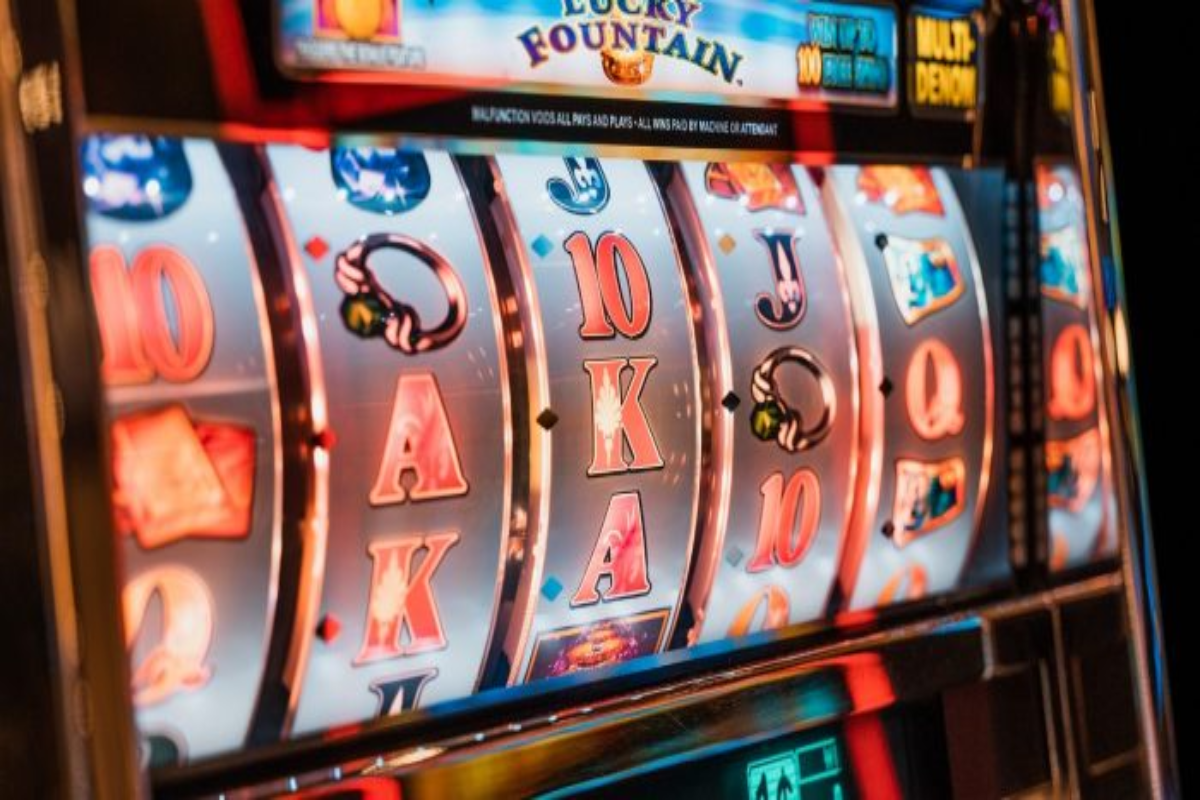
The environment itself is designed to influence perception, from the ambient sounds to the visual cues. Effective players learn to detach their emotional responses from the immediate results, focusing instead on long-term probability and sound strategy. This mental fortitude is a cornerstone of consistent performance, allowing for objective analysis rather than reactive betting. Mastering this psychological aspect is often more impactful than understanding complex mathematical odds.
Implementing Risk Management Techniques
Effective risk management is paramount in any gambling endeavor. This involves setting strict limits on how much capital is allocated to play and, more importantly, adhering to them. A common strategy is the use of betting units, where a predetermined small percentage of the total bankroll is wagered on each round or hand. This prevents rapid depletion of funds and allows for sustained play, even through losing streaks. Implementing a stop-loss limit, a predetermined point at which all play ceases for the day or session, is equally vital.
Beyond monetary limits, strategic risk management also encompasses understanding the inherent risk associated with different games and wagers. Higher risk bets often come with higher potential rewards but also a greater chance of loss. A balanced approach involves varying bet sizes and game choices based on confidence in a particular strategy or knowledge of the game’s probabilities. This adaptive approach ensures that resources are protected while opportunities for gains are still pursued judiciously.
Leveraging Probability and Mathematical Advantage
While many casino games are designed with a house edge, certain games offer opportunities for players who understand and can leverage probability. Games like blackjack, when played with optimal strategy, can significantly reduce the house advantage. Card counting, though often misunderstood and discouraged by casinos, is a prime example of a technique that can shift the odds in favor of the player in specific situations. The ability to calculate implied probabilities and odds in real-time is a skill that distinguishes seasoned players.
For games that don’t offer a direct player advantage, such as roulette or slots, the focus shifts to understanding payout structures and variance. While pure chance dominates, players can still make informed decisions about which bets offer the best risk-reward profile over time. This often involves understanding the difference between high-variance games with infrequent but large payouts and low-variance games with frequent but smaller wins. The goal is to align game selection and betting patterns with personal financial goals and risk tolerance.
Developing and Adapting Game-Specific Strategies
Domination in gambling challenges requires specialized knowledge and adaptable strategies tailored to specific games. For poker, this means mastering bluffing, hand evaluation, and understanding player tendencies. In blackjack, it involves memorizing basic strategy charts and knowing when to deviate based on card counting. Even in games of pure chance like craps, understanding the optimal bets, such as the pass line with odds, can minimize the house edge. Continuous learning and refinement of these game-specific approaches are essential.
The ability to adapt strategies based on evolving game conditions or opponent behavior is another critical element. A strategy that works in one session might need adjustment in the next due to different table dynamics or rule variations. This flexibility, combined with a deep understanding of the underlying probabilities and psychological aspects of the game, allows players to maintain an edge. It’s a dynamic process of observation, analysis, and execution, where constant learning is key to sustained success in casino challenges.

Optimizing Your Casino Experience with Project Management Tools
Even in the realm of casino entertainment, effective management can significantly enhance the experience and potentially improve outcomes. Think of your casino play as a project with defined goals, a budget, and time constraints. Utilizing principles akin to project management, such as setting clear objectives for a gaming session (e.g., a specific win target or a maximum loss limit), provides direction. Tracking your progress against these objectives, much like monitoring tasks in a project, helps maintain focus and discipline.
Just as a project benefits from streamlined workflows, your casino sessions can be optimized by employing a structured approach. This involves pre-planning your game selection based on your strategy and risk tolerance, and then executing with discipline. Real-time monitoring of your bankroll and adherence to your pre-set limits are crucial. Furthermore, reflecting on your sessions – what worked, what didn’t, and why – mirrors the post-project review process, allowing for continuous improvement and informed decision-making for future gaming challenges. This systematic approach, akin to robust project management, brings order and strategic depth to the often-unpredictable world of casinos.

